Embedded Machine Intelligence Lab
We research design, development, and validation of algorithms, tools, and technologies that enhance utilization and large-scale adoption of pervasive systems.

About EMIL
We are recruiting a PhD student for Fall 2027 — view the opening.
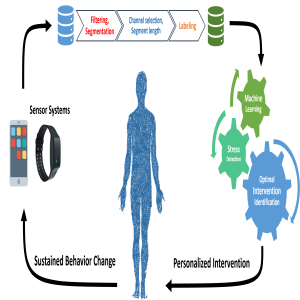
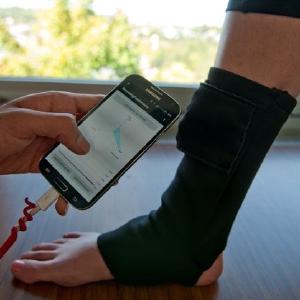
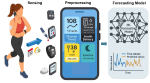
Digital health systems are transforming the future of healthcare by seamlessly connecting people to intelligent environments enriched with wearable sensors, mobile devices, embedded computing, physiological monitoring technologies, and AI-driven decision systems. These technologies continuously and invisibly capture multimodal information about human behavior, physiology, environment, and health, enabling a new generation of personalized, proactive, and continuously adaptive healthcare services. When integrated effectively, pervasive and embedded AI systems have the potential to fundamentally reshape how health is monitored, understood, and managed across everyday life. The resulting capabilities enable transformative applications in remote and mobile healthcare, chronic disease management, preventive medicine, digital therapeutics, aging and elderly care support, rehabilitation, mental and behavioral health, smart homes and environments, emergency response, fitness and performance monitoring, and human-centered assistive technologies.
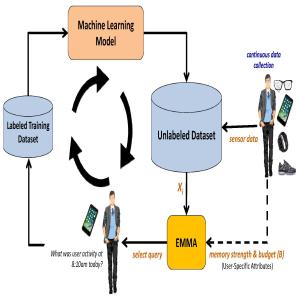
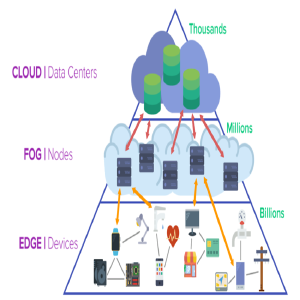
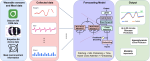
At the Embedded Machine Intelligence Lab (EMIL) at Arizona State University, we develop next-generation AI, sensing, and digital health technologies that bridge the gap between algorithmic innovation and real-world clinical impact. Our research focuses on the design, development, and validation of robust, interactive, efficient, and trustworthy machine learning methods for real-world pervasive systems operating under dynamic and resource-constrained conditions. To ensure translational relevance and large-scale adoption, we work closely with clinicians, healthcare systems, patients, caregivers, and community partners to co-design, evaluate, and refine these technologies through clinical studies and real-world deployment. This end-to-end, interdisciplinary approach enables EMIL to create scalable, evidence-based, and impactful solutions that improve health outcomes, reduce burden of care, empower patients and clinicians, and advance the future of precision and participatory healthcare.